The Sequin Saree Revolution: How Manish Malhotra Sparked A Decade-Long Bollywood Obsession
In the expansive history of world textiles, few garments possess the poetic grandeur, mathematical elegance, and transformative majesty of the Indian saree. Across five millennia of cultural heritage, the unstitched six yards have continually adapted—evolving from ancient royal courts into the undisputed pinnacle of global red-carpet couture. In this lavish retrospective, BollyWOWs explores how Manish Malhotra and India’s master couturiers have transformed ethnic drape artistry into an international high-fashion phenomenon.
1. The Architecture of the Unstitched Weave: Freedom of Form
The profound genius of the saree resides in its absolute rejection of rigid Western tailored seams. It is a living sculpture, molded anew each time it is draped around the contours of the wearer. In modern Bollywood, Manish Malhotra has become an iconic patron of this transformative canvas.
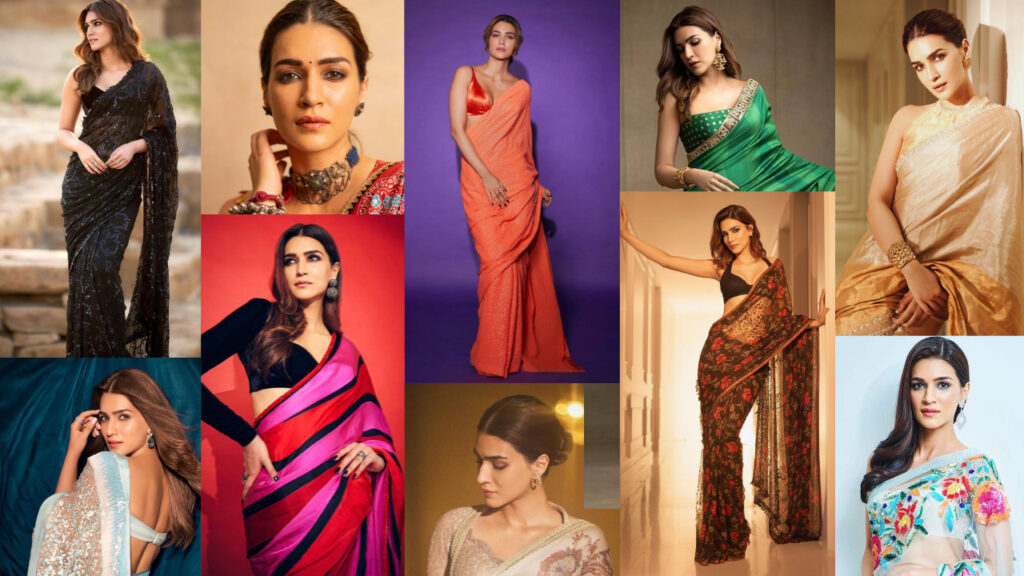
Her appearances demonstrate how the saree simultaneously honors five thousand years of handloom lineage while embracing cutting-edge contemporary sensibilities. From antique gold-dipped Kanjeevarams that rustle with royal weight to featherweight French Chantilly lace drapes that caress the silhouette like a whispered dream, each lookbook entry represents an unforgettable aesthetic milestone.
2. India’s Master Couturiers: The Visionaries Behind the Renaissance
The contemporary revival of ethnic couture is spearheaded by an elite fraternity of Indian master couturiers who have redefined how the world views Indian luxury:
| Couturier | Signature Aesthetic | Technique & Materials | Celebrity Impact |
|---|---|---|---|
| Sabyasachi Mukherjee | Aristocratic Royal Nostalgia | Antique Zardozi, Banarasi Brocade, Khadi | The Undisputed Bridal Gold Standard |
| Manish Malhotra | Bollywood Party Glamour | Sheet Sequins, Kashmiri Chikankari, Tulle | Viral Red Carpet Sensation Worldwide |
| Tarun Tahiliani | Draped Concept Artistry | Fluted Georgette, Corseted Drapes, Chikankari | Weightless Fluid Motion on Stage |
| Rahul Mishra | Global Slow Couture | Botanical French Knots, 3D Hand Embroidery | Paris Haute Couture Week Champion |
“A saree does not simply drape the body; it frames an attitude. It commands reverence, demands poise, and carries the whispers of thousands of years of artisan soul.”
— BollyWOWs Heritage Bureau3. High-Definition Visual Archive & Screen Wallpaper Gallery
Browse through our handpicked collection of high-resolution ethnic fashion portraits below. Tap any image to inspect fine fabric weaves or download flawlessly formatted wallpapers directly to your mobile or desktop display.

Choose Download Size
Iconic Screen Presence & Video Showcase
Experience Manish Malhotra’s magnetic screen aura, choreographic precision, and performance energy in this high-definition audiovisual showcase.
4. The Modern Saree Styling Bible: Rules for Contemporary Elegance
To achieve red carpet elegance with modern ethnic attire, celebrity fashion directors abide by several cardinal guidelines:
- The Statement Blouse: The blouse is no longer merely a supporting garment—it is high-fashion sculpture. Explore architectural sweetheart bustiers, corseted sheer backs, high Victorian collars, or minimalist metallic bandeau cuts to modernize traditional textiles.
- Harmonious Jewelry Scaling: When wearing densely embellished sarees (such as all-over sequin sheets or heavy zardozi brocades), abandon heavy layered neckpieces. Instead, anchor the look with oversized emerald or polki ear studs and a cocktail ring.
- Footwear Pre-Pinning: Always put on your intended high heels before the master draper pins the pallu and pleats. The hem must hover precisely 2mm above the floor plane to maintain an elongated, statuesque line.
- Fabric-Matched Pallu Dynamics: Heavy silks demand structured, razor-pressed pleats pinned securely over the shoulder; gossamer organzas and chiffons achieve their greatest impact when allowed to cascade loosely over the forearm.
5. Preserving Heritage Heirlooms for Generations
Authentic pure zari and silk sarees represent significant financial and cultural investments. Proper preservation ensures that these masterworks can be passed down as family heirlooms across generations without fiber degradation or metallic tarnishing.
Always store pure silk sarees wrapped in unbleached, breathable pure cotton or muslin fabric. Never store them on wire hangers which can warp shoulder folds. Every six months, unfold each garment along a clean bed, allow it to air in gentle indirect morning light for twenty minutes, and refold along new fold lines to eliminate stress fractures in the delicate silk threads.
Frequently Asked Questions (FAQ)
What is the difference between real zari and tested zari in luxury sarees?
Real zari is crafted by wrapping electroplated silver and 24-karat gold wire around pure silk yarn, maintaining brilliant luster for centuries. Tested or synthetic zari uses copper or polyester metallic films which tarnish significantly faster.
Which saree styles are best suited for destination weddings?
Pre-draped concept sarees in fluid georgette, tissue organza, or lightweight silk crepe are ideal for beachside or palace destination weddings, offering maximum comfort and rapid styling without complex pinning.
How do celebrity drapers ensure sarees do not shift during long dance events?
Master celebrity drapers utilize reinforced internal cotton petticoats with drawstring anchors, hidden safety stitching beneath pleats, and industrial-grade lingerie tape to lock shoulder pallus securely in place.